
Need help submitting the form?
If you're facing any issues, our team is ready to help you directly via WhatsApp or Email.
Few destinations on earth combine natural beauty, ancient history, and modern resort comfort as effortlessly as this corner of the Egyptian Sinai. Sitting where the Gulf of Aqaba meets the Gulf of Suez, the city has grown from a modest fishing village into one of the Middle East's most recognised travel destinations — welcoming millions of visitors each year from Europe, the Gulf, Asia, and the Americas.
Whether a traveller arrives in search of pristine coral reefs, vibrant nightlife, cultural excursions into the Sinai desert, or simply a warm-weather escape with first-class hotels and restaurants, this destination reliably delivers. This guide provides a detailed, fact-based overview of the city's geography, key attractions, best beaches, and coastal highlights to help every visitor plan a confident, well-informed trip.
There are many reasons to book your trip through us at Nile Cruise Vacation. We have been providing and operating high-quality Nile Cruise tours in Egypt since 1955 and pride ourselves on using this experience to consistently deliver high quality, personalized tour experiences. Our vast variety of destinations and itineraries extend all over Egypt.
Sharm El Sheikh Egypt is located at the southern tip of the Sinai Peninsula, a triangular landmass that forms the only land bridge between Africa and Asia. The city sits within the South Sinai Governorate and is flanked by the Sinai Mountains — a rugged range of ancient granite peaks — to the north, and by the warm, nutrient-rich waters of the Red Sea to the south and east.
The city's dual coastal access — opening onto both the Gulf of Aqaba to the east and the Gulf of Suez to the west — creates a unique marine environment where two bodies of water blend, producing exceptional coral diversity and the extraordinary water clarity that has made the area globally renowned among divers and marine biologists alike.
Sharm El Sheikh lies approximately 550 kilometres from Cairo by road and about 100 kilometres from the Israeli border town of Eilat to the north. It is served by Sharm El Sheikh International Airport (IATA code: SSH), which receives direct and charter flights from more than 30 countries.
The city enjoys a hot desert climate, characterised by year-round sunshine, extremely low annual rainfall, and warm sea temperatures in every season. Daytime temperatures in winter (December to February) average a comfortable 22°C to 26°C (72°F to 79°F), while summer months (June to August) regularly exceed 38°C to 42°C (100°F to 107°F).
Sea temperatures range from approximately 20°C (68°F) in the coolest winter months to 28°C (82°F) at the height of summer, remaining warm enough for comfortable swimming and diving throughout the year. The most visited period is October to April, when European visitors seek warmer temperatures during their own cooler months. Travellers on a budget may find better hotel rates during the summer high-heat period.
The range of Sharm El Sheikh attractions ensures visitors of every interest find compelling reasons to return. From natural reserves and ancient religious sites to lively markets and modern entertainment complexes, the city and its surroundings offer far more than a conventional beach holiday.
Ras Mohammed National Park is Egypt's oldest and most celebrated marine protected area, established in 1983 at the very tip of the Sinai Peninsula, approximately 20 kilometres south of central Sharm El Sheikh. The park encompasses dramatic sheer coral walls that plunge to depths of more than 80 metres, creating one of the most spectacular underwater landscapes on the planet. Shark Reef and Yolanda Reef — two of the park's most iconic dive sites — are home to schools of barracuda, giant trevally, reef sharks, and colourful clouds of glassfish. The park also protects mangrove forests, desert wildlife, and critically important nesting sites for hawksbill sea turtles.
Naama Bay is the social and commercial heart of the city — a curved bay lined with hotels, open-air restaurants, dive centres, and beachside cafés. The promenade that runs along its length is one of the liveliest pedestrian areas in the region, particularly in the evenings when the bay comes alive with music, outdoor dining, and the warm glow of neon lights reflected off the sea. The bay's sheltered waters are calm and shallow near the shore, making it ideal for families, beginner snorkellers, and those simply seeking a pleasant beach experience.
Located in the Old Town district, the Old Market is an authentic Egyptian bazaar where visitors can explore a warren of shops selling spices, handmade jewellery, papyrus art, alabaster figurines, shisha pipes, Egyptian cotton textiles, and traditional handicrafts. Bargaining is expected, encouraged, and considered part of the social experience. The market also offers excellent opportunities to sample local street food, including falafel, koshari, and fresh fruit juices.
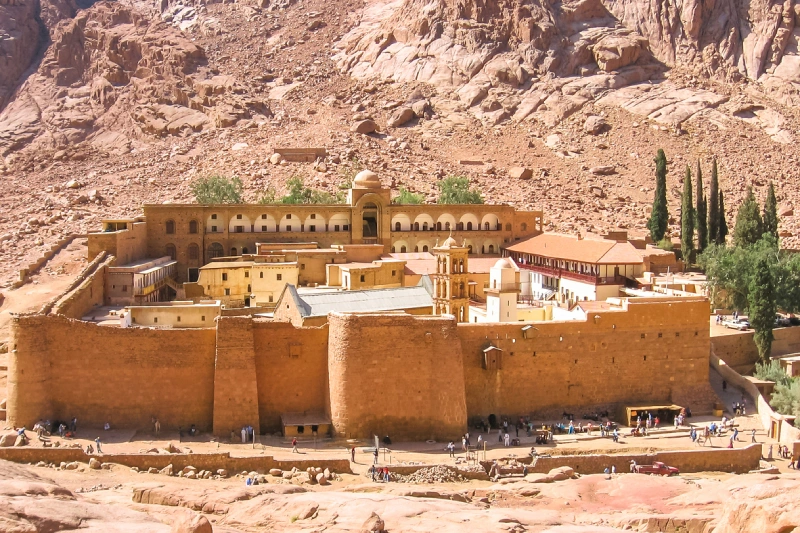
Approximately two hours from the city by road, Mount Sinai (Jabal Musa) holds profound spiritual significance for the world's three Abrahamic faiths — Christianity, Islam, and Judaism. The mountain is traditionally identified as the site where Moses received the Ten Commandments. Most visitors undertake a pre-dawn ascent to witness one of Egypt's most spectacular sunrises from the 2,285-metre summit. At the mountain's base, St Catherine's Monastery — founded in the 6th century and a UNESCO World Heritage Site — preserves an extraordinary collection of Byzantine icons, ancient manuscripts, and sacred relics.
The SS Thistlegorm is a British Armed Merchant Navy vessel sunk by German bombers in October 1941, now resting in approximately 30 metres of water in the Red Sea. First explored by the legendary oceanographer Jacques Cousteau, the wreck is considered one of the world's greatest dive sites and is an essential experience for underwater enthusiasts visiting the area. Its cargo — including military motorcycles, rifles, vehicles, and railway carriages — remains remarkably preserved, offering a haunting window into wartime history.
The beaches of this Red Sea city are among the finest on the African continent, consistently praised for their warm, clear water, accessibility to healthy coral reefs, and well-developed facilities.
Naama Bay Beach: The city's most famous and accessible beach, Naama Bay offers a long stretch of sand with calm, sheltered water, excellent snorkelling immediately offshore, and a vibrant promenade behind it. It is particularly well-suited to families and first-time visitors.
Sharks Bay Beach: Despite its dramatic name, Sharks Bay is one of the most tranquil beaches in the area. Its shallow turquoise lagoon is perfect for beginner watersports, windsurfing, and sea kayaking. The coral garden just beyond the swimming area teems with marine life.
Ras Um Sid Beach: Positioned adjacent to the acclaimed Ras Um Sid dive site, this beach is popular with experienced divers seeking direct entry to deep coral walls. It is quieter than Naama Bay and lined with reputable dive centres.
Coral Bay Beach: As the name suggests, Coral Bay is prized for the excellent reef systems directly accessible from its shoreline. Snorkellers can explore healthy coral gardens in shallow water just metres from the beach without the need for a boat.
Nabq Bay Beach: Part of a newer, more upscale district to the north of the city centre, Nabq Bay offers a longer, quieter beach adjacent to a protected mangrove reserve. It is home to several large five-star resorts and appeals to visitors seeking a more exclusive, relaxed experience.
Soho Square Beach: A curated resort beach attached to the popular Soho Square entertainment complex, offering sun loungers, beach bars, and direct access to the complex's restaurants, shops, and evening entertainment venues.
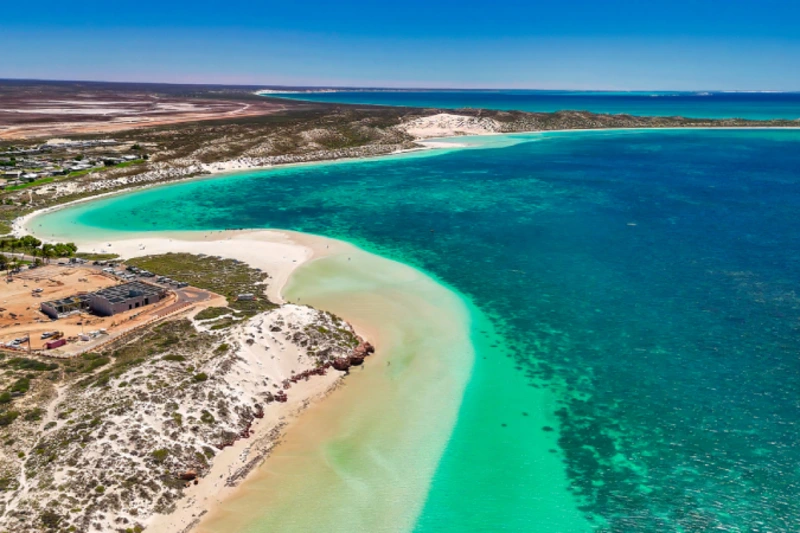
The coastal zone around the city offers a wealth of experiences for those who want to explore beyond the beach towel. Glass-bottom boat tours depart from Naama Bay several times daily, providing non-swimmers with an extraordinary view of the living reef below without getting wet. Sunset sailing cruises along the Gulf of Aqaba are a popular choice for couples and groups, combining golden-hour mountain scenery, warm sea breezes, and the possibility of sighting wild dolphins in their natural habitat.
Submarine and semi-submarine tours offer another way to experience the underwater world, descending to reef level for guided tours lasting up to an hour. For those with a more adventurous spirit, live-aboard dive expeditions departing from the city's marina allow divers to access remote sites such as the Brothers Islands, Daedalus Reef, and Rocky Island — sites known for encounters with oceanic whitetip sharks, hammerheads, and manta rays.

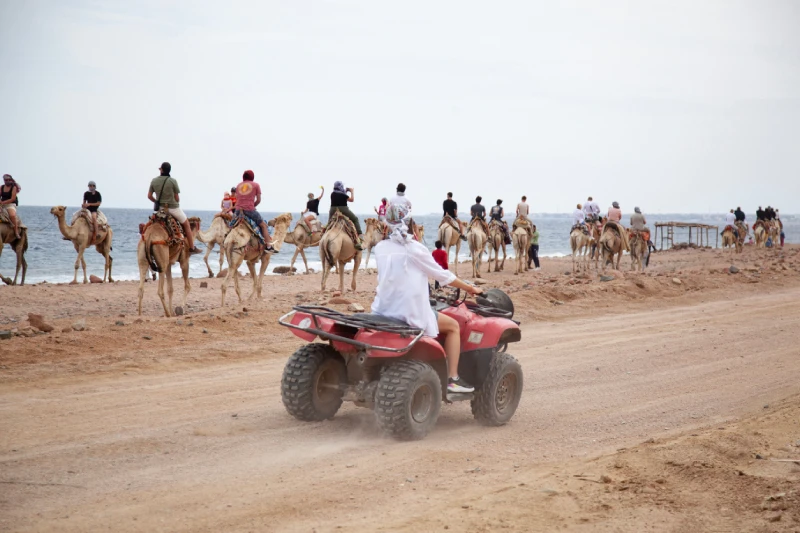
The activities available extend well beyond the water. On land, ATV desert safaris and jeep excursions into the Sinai interior allow visitors to experience the dramatic mountain and canyon landscapes of one of the world's most ancient geological formations. Camel and horse riding along the beach, quad biking, paintballing, go-karting, and visits to Soho Square for shopping and entertainment round out a remarkably diverse activity portfolio. Cultural day trips to Cairo, Luxor, and Aswan — all accessible via short domestic flights — ensure that history lovers are as well served as beach and adventure seekers.
Egypt's official currency is the Egyptian Pound (EGP), though US Dollars and Euros are widely accepted in the resort area. The city operates on Eastern European Time (EET, UTC+2). Arabic is the national language, but English is spoken widely throughout tourist areas, with Russian and German also common among hospitality staff. Visa requirements vary by nationality; many visitors can obtain a visa on arrival or apply in advance through Egypt's official e-visa portal. The city's resort zone is well-policed and is generally considered safe for tourists.
Sharm El Sheikh is situated at the southern end of the Sinai Peninsula in Egypt, bordered by the Red Sea to the south and east and the Sinai Mountains to the north. It lies approximately 550 kilometres (340 miles) from Cairo by road. The city sits within the South Sinai Governorate at roughly 27.9° N latitude and 34.3° E longitude.
Sharm El Sheikh can be visited throughout the year due to its hot desert climate and almost zero rainfall. The most comfortable period for most visitors is October through April, when daytime temperatures typically range from 22°C to 28°C (72°F to 82°F). Summer months from June to August are extremely hot, often exceeding 40°C (104°F), but these months offer lower hotel prices and quieter beaches.
The top Sharm El Sheikh attractions include Ras Mohammed National Park (world-class diving and snorkelling), Naama Bay (the city's social hub), the Old Market souk (traditional Egyptian shopping), Mount Sinai and St Catherine's Monastery (spiritual and historical significance), the SS Thistlegorm wreck dive site (one of the world's best underwater wreck experiences), and Sharks Bay (calm waters ideal for water sports).
Yes, Sharm El Sheikh is an excellent family destination. The calm, shallow waters of Naama Bay and Sharks Bay are safe for young children and beginner swimmers. Many resorts offer dedicated children's pools, kids' clubs, and family-friendly entertainment. Activities including glass-bottom boat tours, camel rides, and beginner snorkel sessions make it suitable for visitors of all ages.
Sharm El Sheikh is served by Sharm El Sheikh International Airport (IATA: SSH), which receives direct and charter flights from the United Kingdom, Germany, Russia, Poland, the Netherlands, the Czech Republic, the UAE, and many other countries. Flights from London take approximately five hours. Visitors can also travel overland from Cairo, though the journey takes around six hours by road through the Sinai Peninsula.
Sharm El Sheikh has a hot desert climate with year-round sunshine and virtually no rainfall. Summer temperatures can exceed 40°C (104°F), while winter daytime temperatures are pleasant at around 22°C to 26°C (72°F to 79°F). Sea temperatures range from approximately 20°C (68°F) in January to 28°C (82°F) in August, making the Red Sea warm enough for swimming and diving in every season.
Sharm El Sheikh has numerous beaches to suit every type of visitor. The most popular include Naama Bay Beach (busy, social, great for snorkelling), Sharks Bay Beach (calm and family-friendly), Ras Um Sid Beach (favoured by divers), Coral Bay (excellent reef access), Soho Square Beach (a resort-style experience), and the quieter beaches around Nabq Bay. Many beaches are attached to hotels and charge a day-use fee.
Sharm El Sheikh is consistently ranked among the world's top diving destinations. The Red Sea offers exceptional visibility, often exceeding 30 metres, warm water, and extraordinary biodiversity with over 1,000 species of fish and more than 200 coral species. Key dive sites include Ras Mohammed National Park, the Shark and Yolanda Reefs, the Blue Hole near Dahab, the SS Thistlegorm wreck, and the Tower dive site near Ras Um Sid.

The ultimate Egypt vacation: Cairo Pyramids, 5-star Nile Cruise, Luxor temples & 3 nights in Hurghada on the Red Sea. Private & guided. Request yours today!

Our Egypt vacation package has everything: Pyramids, Nile Cruise, Valley of Kings & Sharm's beaches. Trusted by thousands. Request your free quote today!

Discover Egypt's hidden Nile on our Cairo & Dahabiya Nile cruise — El Kab, Gebel Silsila & Sheikh Rehan Island. Request your 8-day Egypt itinerary now!

Explore Cairo & Nile Cruise Package on our 7-day Egypt itinerary. Pyramids, Philae Temple, Valley of the Kings & Karnak included. Private guides. Inquire today!
If you're facing any issues, our team is ready to help you directly via WhatsApp or Email.




Copyright © 2026 Nile Cruise Vacation