
Need help submitting the form?
If you're facing any issues, our team is ready to help you directly via WhatsApp or Email.
Luxor City is one of the most important historical destinations in the world. Located in southern Egypt along the Nile River, it is often described as the world’s greatest open-air museum. This remarkable city stands on the site of ancient Thebes, which was once the capital of Egypt during the New Kingdom period.
Today, Luxor City Egypt is known for its extraordinary temples, tombs, and monuments that reflect thousands of years of history. Travelers, historians, and archaeologists visit Luxor to explore its ancient wonders and understand the legacy of one of the world’s oldest civilizations.
Luxor City lies on the east bank and west bank of the Nile River. Each side of the river has a unique historical significance:
East Bank
The East Bank represents life and daily activity in ancient times. It is home to temples, markets, and modern city life.
West Bank
The West Bank symbolizes death and the afterlife. It contains royal tombs, burial grounds, and funerary temples.
This natural division makes Luxor sightseeing both organized and meaningful, allowing visitors to explore ancient beliefs about life and death.
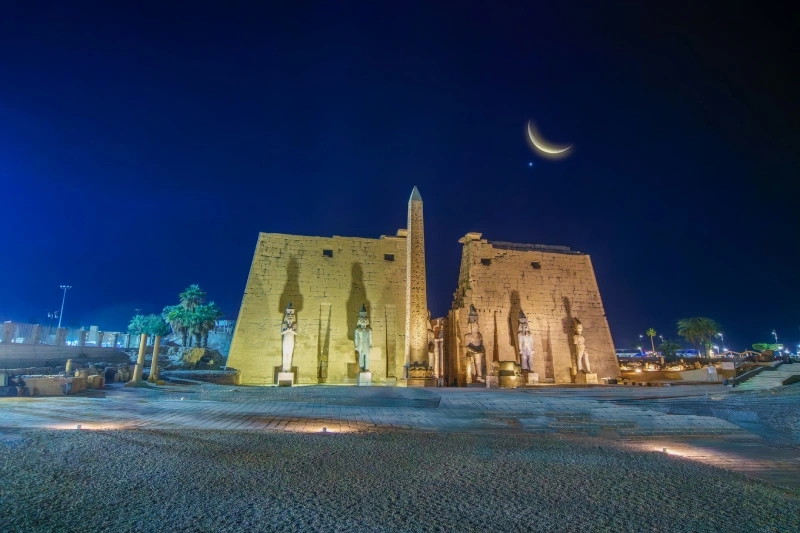
Luxor City was known as Thebes in ancient Egypt. It rose to power around 1550 BCE during the New Kingdom and became a major political, religious, and cultural center.
The Rise of Thebes
The city became powerful under rulers like:
These rulers expanded Egypt’s empire and built many of the monuments seen today in Luxor attractions.
Religious Importance
Luxor was dedicated mainly to the worship of Amun-Ra, the king of the gods. Massive temples were constructed to honor this deity, making the city a spiritual center of ancient Egypt.
The East Bank of Luxor City Egypt is home to some of the most impressive temples ever built.
The Karnak Temple is the largest religious complex ever constructed in ancient Egypt. It was developed over more than 2,000 years by different pharaohs.
Key features include:
Karnak represents the power and wealth of ancient Egypt at its peak.

Located in the heart of modern Luxor City, Luxor Temple is a stunning monument connected to Karnak by the Avenue of Sphinxes.
Highlights include:
Luxor Temple played a key role in religious festivals, especially the Opet Festival.

The West Bank of Luxor is one of the most fascinating archaeological areas in the world. It contains tombs and temples built to honor the dead and prepare them for the afterlife.
The Valley of the Kings is one of the most famous Luxor sightseeing sites. It served as the burial place for pharaohs of the New Kingdom.
Important tombs include:
The tombs are decorated with detailed paintings that tell stories about the journey to the afterlife.

This valley was used for burying queens and royal children. The tomb of Queen Nefertari is especially famous for its vibrant wall paintings and artistic beauty.
The Mortuary Temple of Hatshepsut is one of the most unique structures in Luxor City Egypt. Built into the cliffs of Deir el-Bahari, it features terraces and elegant design.
This temple reflects the power and achievements of one of Egypt’s few female rulers.

These two massive stone statues, known as the Colossi of Memnon, stand at the entrance of a ruined temple. They represent Pharaoh Amenhotep III and are among the most iconic landmarks in Luxor attractions.

Luxor City is more than just ancient ruins. It is a living city that connects past and present.
Festivals and Traditions
Luxor still celebrates cultural events inspired by ancient traditions. The Opet Festival, once held in ancient times, symbolized renewal and divine connection.
Local Life
Modern Luxor is home to local markets, traditional crafts, and Nile-side cafes. Visitors can experience authentic Egyptian culture while exploring historical sites.
The Nile River plays a central role in Luxor City Egypt. It has shaped the city’s history, economy, and daily life.
Importance of the Nile
Today, Nile River cruises are one of the most popular ways to explore Luxor sightseeing and nearby cities like Aswan.
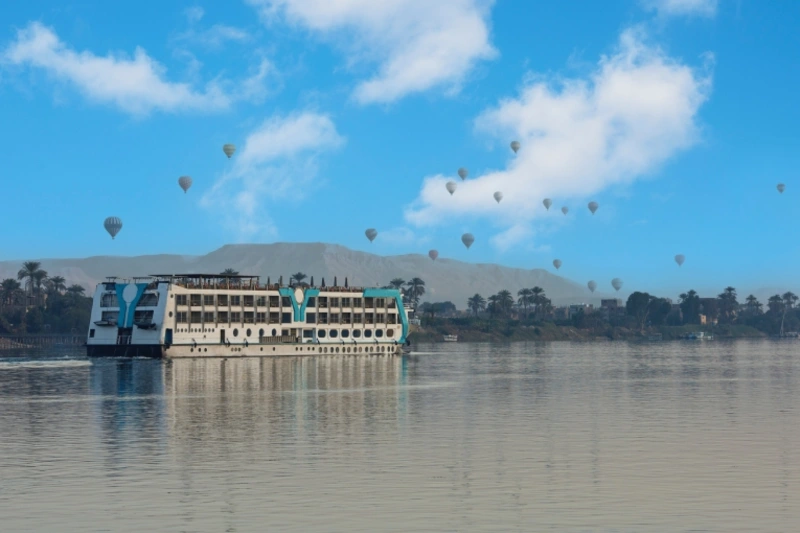
Despite its ancient roots, Luxor City continues to grow as a modern destination.
Preservation Efforts
Many international and local organizations work to preserve Luxor’s monuments. Restoration projects help protect these historical treasures for future generations.
Global Importance
Luxor remains a key site for archaeological discoveries. New tombs and artifacts are still being uncovered, adding to its historical significance.
Luxor City is not just a tourist destination; it is a symbol of human history and achievement. Its temples, tombs, and monuments tell stories of power, belief, and creativity.
Educational Value
Cultural Heritage
The city represents a shared global heritage that continues to inspire people around the world.
Tourism is a major part of the economy in Luxor City. Visitors from around the world come to explore its ancient sites and cultural heritage.
Popular Activities
Best Time to Visit Luxor City
The best time to visit Luxor City Egypt is during the cooler months, from October to April. During this period, temperatures are more comfortable for sightseeing.

Luxor City is famous for its ancient Egyptian monuments, including the Karnak Temple, Luxor Temple, and the Valley of the Kings. It is widely known as the world’s largest open-air museum due to its rich collection of temples and tombs.
Luxor City Egypt is located in southern Egypt along the Nile River, about 670 km upper Cairo. It sits on both the east and west banks of the Nile.
Luxor City is called the world’s greatest open-air museum because it contains a large number of well-preserved ancient monuments, including temples, tombs, and statues that date back thousands of years.
The most popular Luxor attractions include:
These sites are essential for Luxor sightseeing.
In Luxor City Egypt:
The East Bank represents life and includes temples and modern areas.
The West Bank represents death and includes tombs and burial sites like the Valley of the Kings.
Most travelers need 2 to 3 days to explore the main Luxor sightseeing attractions. However, history lovers may spend more time discovering additional temples and tombs.
The best time to visit Luxor City is between October and April, when the weather is cooler and more suitable for exploring outdoor sites.
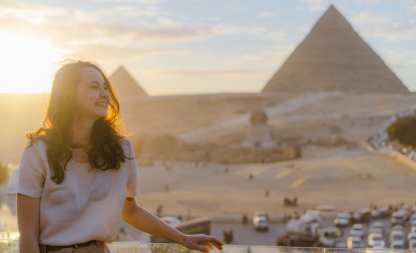
Cairo Luxor Tour: visit the Sphinx, Grand Egyptian Museum, Valley of Kings & Luxor Temple in 5 unforgettable days. request your tour now!

Discover Egypt's hidden Nile on our Cairo & Dahabiya Nile cruise — El Kab, Gebel Silsila & Sheikh Rehan Island. Request your 8-day Egypt itinerary now!

Explore Cairo & Nile Cruise Package on our 7-day Egypt itinerary. Pyramids, Philae Temple, Valley of the Kings & Karnak included. Private guides. Inquire today!
If you're facing any issues, our team is ready to help you directly via WhatsApp or Email.





Copyright © 2026 Nile Cruise Vacation