
Need help submitting the form?
If you're facing any issues, our team is ready to help you directly via WhatsApp or Email.
If you're planning a trip to Egypt, let me just say it now: you're in for one of the most unforgettable adventures of your life. I still remember the first time I stood in front of the Pyramids of Giza, and honestly, no photo prepares you for it. In this guide, I'll walk you through everything I wish someone had told me before my first visit, from the best time to go, to a simple itinerary, to what you should throw in your suitcase. Let's get you ready.
The first thing I always tell friends is to decide how long they can travel. Egypt is bigger than most people expect, and the highlights are spread out. If you only have a few days, focus on Cairo and Luxor. If you have a week or more, you can add a relaxing Nile cruise and the Red Sea.
Next, I think about the style of trip that fits me. Do I want history and culture, beach and diving, or a bit of both? Once you know that, the rest falls into place. Many travelers find that booking a guided tour or a Nile cruise package takes the stress out of transport, tickets, and timing, so you can simply enjoy the experience instead of worrying about logistics.
My honest advice? Start early. The best guides, cruises, and hotels get booked fast, especially in high season. A little planning now means a smoother, richer trip later.
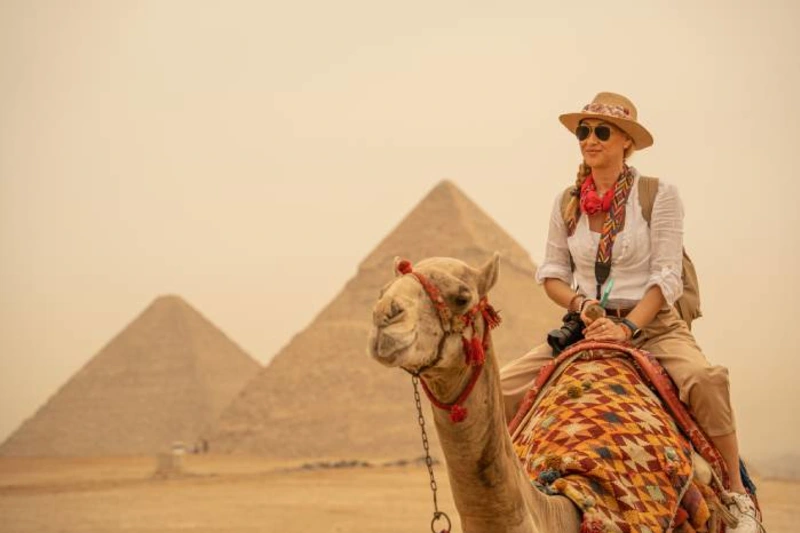
The best time to visit is between October and April. During these months the weather is pleasant and comfortable, which makes exploring temples, tombs, and open desert sites far more enjoyable. This is also the busiest season, so sites can be crowded and prices a little higher.
If you don't mind the heat and want fewer crowds and better deals, the summer months from May to September can work too, especially for the Red Sea resorts where the sea breeze helps. Just be ready for very hot afternoons in the south, around Luxor and Aswan, and plan your sightseeing for early morning.
There are so many incredible places to visit in Egypt that narrowing it down is genuinely hard, but here are the ones I'd never skip.
Cairo and Giza come first for almost everyone. The Pyramids of Giza and the Great Sphinx are the star attractions, and the Grand Egyptian Museum near the plateau is a stunning place to see thousands of treasures, including the golden riches of Tutankhamun.
Luxor is often called the world's greatest open-air museum. On the East Bank you'll find the vast Karnak Temple and Luxor Temple, and on the West Bank you can explore the Valley of the Kings and the beautiful Temple of Hatshepsut.
Aswan is calmer and gorgeous, with the graceful Philae Temple, the High Dam, and colorful Nubian villages. From here you can also take a trip to the breathtaking temples of Abu Simbel.
Finally, the Red Sea resorts like Hurghada and Sharm El Sheikh are perfect for relaxing, snorkeling, and world-class diving after all that history.
Here's a brief itinerary I love to recommend, because it covers the best of Egypt without feeling rushed.
Days 1 to 2: Explore Cairo and Giza.
See the Pyramids, the Sphinx, and the Grand Egyptian Museum, and wander the old markets.
Day 3: Fly to Luxor and visit the East Bank, with Karnak and Luxor Temple glowing beautifully in the evening.
Day 4: Discover the West Bank, including the Valley of the Kings and the Temple of Hatshepsut.
Days 5 to 6: Board a Nile cruise from Luxor toward Aswan, stopping at the temples of Edfu and Kom Ombo along the way.
Day 7: Enjoy Aswan, with Philae Temple, the High Dam, and an optional early trip to Abu Simbel.
Day 8: Fly back to Cairo for departure, or extend your trip with a few relaxing days by the Red Sea.
You can easily shorten this to five days or stretch it to two weeks. The beauty of this route is that it flows naturally from north to south, following the Nile just like ancient travelers once did.
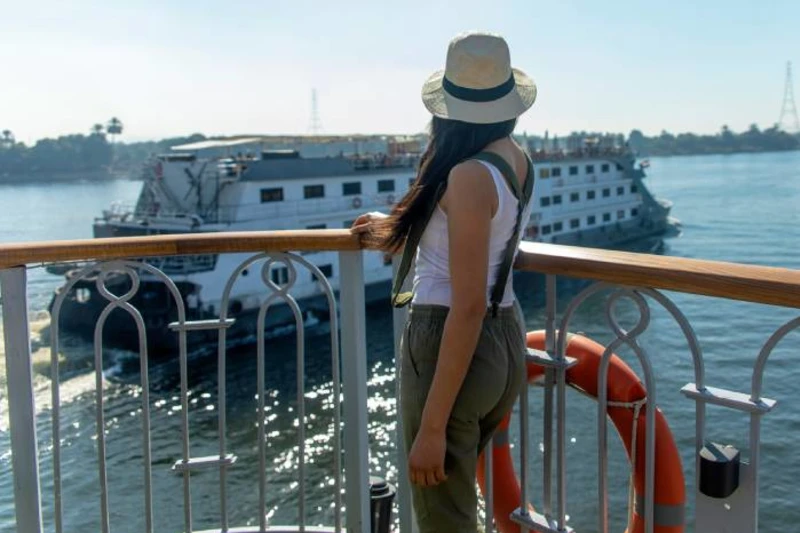
Domestic flights between Cairo, Luxor, and Aswan are quick and affordable, and they save a lot of time. Trains are a scenic budget option, and a Nile cruise doubles as both transport and accommodation, which I love.
A few tips I always share: carry small cash for tips and local purchases, agree on taxi prices before you get in, and keep bottled water with you at all times. I also recommend hiring a licensed Egyptologist guide for the major sites, because the stories they tell truly bring the history to life. For the latest entry and visa details, it's always smart to check the official Egyptian e-Visa portal at visa2egypt.gov.eg and browse trusted travel information on the official tourism site Egypt.travel.
Packing for Egypt is simple once you know the climate. Here's my go-to list.
Lightweight, breathable clothing that covers the shoulders and knees is ideal, since it keeps you cool and is respectful at religious and cultural sites. A scarf or shawl is handy for women visiting mosques. Bring comfortable walking shoes, because you'll do a lot of walking on uneven ground.
Don't forget strong sunscreen, sunglasses, and a hat, as the sun is intense even in winter. A reusable water bottle, hand sanitizer, and any personal medicines in their original packaging are all wise to carry. In the cooler months, pack a light jacket for chilly desert evenings. And of course, bring a good camera or a well-charged phone, because you'll want to capture everything.
Most visitors need a tourist visa, and the easiest way is usually the official e-Visa applied for online before you travel, or a visa on arrival at major airports. Make sure your passport is valid for at least six months and has a blank page. Rules can change and vary by nationality, so always confirm with official sources before booking.
Egypt is a wonderfully welcoming country, and the main tourist areas have a strong security presence. As with travel anywhere, I keep copies of my documents, stay aware of my surroundings, and follow the guidance of my tour operator and local authorities. Millions of people visit safely and happily every year, and I've always felt looked after.
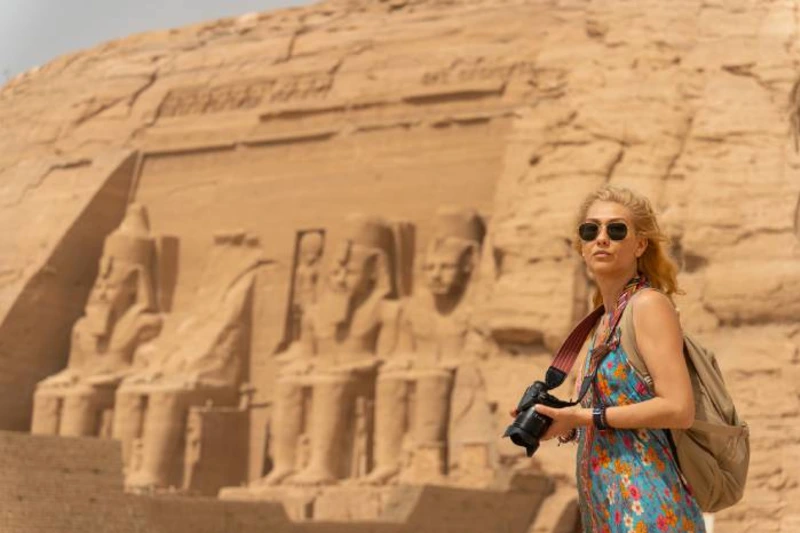
At the end of the day, planning a trip to Egypt is really about deciding what you want to experience and giving yourself enough time to enjoy it. Between the ancient wonders, the timeless Nile, the warm hospitality, and the golden desert sunsets, this is a destination that stays with you long after you go home.
If you're ready to turn the dream into a real itinerary, our travel experts can help you build the perfect journey tailored to your dates, budget, and interests. Reach out today, and let's start creating memories you'll treasure for a lifetime.
The best time to visit Egypt is from October to April, when the weather is pleasant for exploring temples, tombs, and outdoor sites. These months are the most popular, so book early.
Most travelers enjoy Egypt in about 7 to 10 days. That gives you time for Cairo, Luxor, Aswan, and a Nile cruise, with an optional few days by the Red Sea.
Yes, most visitors need a tourist visa. The easiest options are an online e-Visa applied for before travel or a visa on arrival at major airports. Always confirm the rules for your nationality.
Yes, Egypt is generally safe for tourists, and the main sites have a strong security presence. As anywhere, stay aware of your surroundings and follow local and tour operator guidance.
The top places to visit in Egypt include the Pyramids of Giza, the Grand Egyptian Museum, Luxor's Karnak and Valley of the Kings, Aswan, Abu Simbel, and the Red Sea resorts.
A classic itinerary spends two days in Cairo and Giza, two days in Luxor, a Nile cruise to Aswan, and an optional Red Sea extension. It flows naturally from north to south.
Yes, a Nile cruise is one of the best ways to see Egypt. It combines transport, hotel, and sightseeing, taking you to riverside temples like Edfu and Kom Ombo in comfort.
Pack lightweight clothing that covers the shoulders and knees, comfortable walking shoes, sunscreen, sunglasses, a hat, and a reusable water bottle. Add a light jacket for cooler desert evenings.
The cost varies widely by season, style, and length of stay. Budget trips can be very affordable, while luxury cruises and private tours cost more. Booking a package often gives the best value.
Egypt uses the Egyptian Pound. It's smart to carry some cash for tips, taxis, and small shops, while cards are accepted at many hotels and larger stores.

Discover Egypt's hidden Nile on our Cairo & Dahabiya Nile cruise — El Kab, Gebel Silsila & Sheikh Rehan Island. Request your 8-day Egypt itinerary now!
Cairo Luxor Tour: visit the Sphinx, Grand Egyptian Museum, Valley of Kings & Luxor Temple in 5 unforgettable days. request your tour now!

Don't miss Egypt Solar Eclipse Tour 2027 ! 9 days covering Cairo, Aswan, Luxor & Karnak totality. Expert guides & luxury cruise included. Request your place now!

The ultimate Egypt vacation: Cairo Pyramids, 5-star Nile Cruise, Luxor temples & 3 nights in Hurghada on the Red Sea. Private & guided. Request yours today!
If you're facing any issues, our team is ready to help you directly via WhatsApp or Email.




Copyright © 2026 Nile Cruise Vacation