

Need help submitting the form?
If you're facing any issues, our team is ready to help you directly via WhatsApp or Email.
Yes, Egypt is safe to visit, and a Nile cruise is one of the safest ways to see it. Cruises sail between Luxor and Aswan, two well-protected tourist cities, with security at the docks and at every major temple. Egypt welcomed a record 19 million visitors in 2025.
Yes. The Nile between Luxor and Aswan is the heart of Egypt's tourism, and it's one of the most closely protected areas in the country. Cruise ships, temples and hotels along the river all have their own security, and tourist police are stationed at the main sites.
A cruise also takes a lot of the stress out of traveling. Your ship is your hotel, your meals are on board and your guide takes you to each temple, so you spend very little time arranging transport or finding your way around.
There's also safety in the routine. Each day follows a set plan: an early visit to a temple with your guide, a return to the ship before the midday heat, then an afternoon of sailing. You always know where you'll be and who you'll be with, and the crew keep track of every guest who leaves and returns to the ship.
Ships dock at official moorings in Luxor, Edfu, Kom Ombo and Aswan, where access is controlled. On board, crew manage who comes and goes, and luggage is screened when you embark. At the temples, you'll pass through security checks at the entrance.
Most ships also have a reception desk staffed day and night. If you want to explore on your own in Luxor or Aswan, let reception know when you're going and when you plan to be back, and take the ship's card with its name and mooring point written in Arabic.
Luxor and Aswan are among the safest and most relaxed places in Egypt. Both are smaller than Cairo, built around tourism and used to welcoming visitors all year, from day-trippers to long-stay travelers.
In Luxor, tourist police patrol the temples, the Valley of the Kings and the riverside corniche. Aswan has a slower pace and a strong Nubian culture, and many travelers find it the friendliest stop of their trip. The main annoyance in both is persistent selling at markets and around the temples, not crime.
Nile Cruise Vacation Expert Tip
At the temples and the Valley of the Kings, stay with your guide when vendors approach. A polite "la, shukran" (no, thank you) and a smile is usually all it takes.
Yes, when you book through your cruise or a reputable operator. Feluccas sail close to the riverbank in calm water, and the trip around Elephantine Island at sunset is one of the highlights of a Nile cruise.
Ask for a boat with life jackets on board, and avoid sailing after dark. If the wind is strong, the captain may stay closer to shore or shorten the trip, which is normal.
Because the experience is unlike anywhere else, and travelers feel confident going. Egypt had a record 19 million visitors in 2025. In the first quarter of 2026, arrivals rose by about 16% while tourism across the Middle East fell, according to UN Tourism.
Travelers are drawn by the Grand Egyptian Museum, new and renovated Nile cruise ships and good value for money. Many also chose Egypt in 2026 as a more relaxed alternative to destinations closer to the regional conflict.
Repeat visitors are another sign of confidence. Many travelers who first came for a short Nile cruise return for a longer trip with Abu Simbel, a dahabiya or a few days on the Red Sea, and many book their next trip with friends or family.
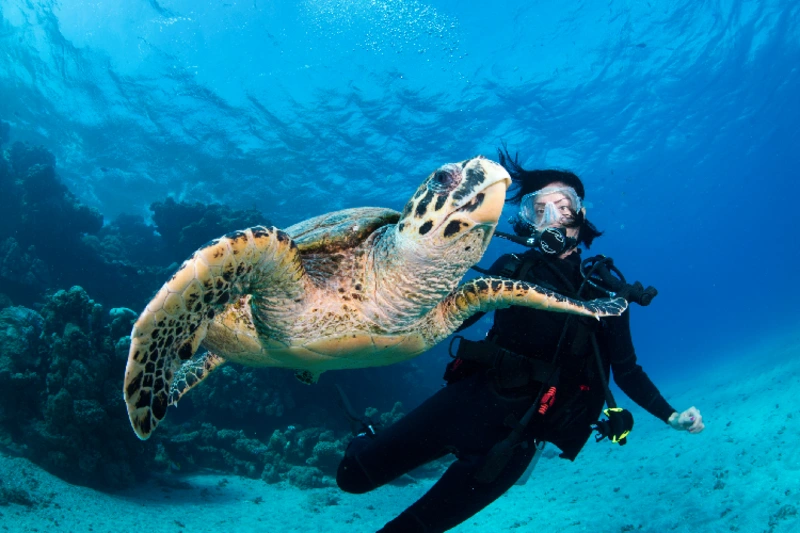
No. Nile cruises have continued to sail normally, and Luxor and Aswan are far from the conflict. The main effect for some travelers was on international flights that connect through the Gulf, so check your routing when you book.
Yes. Cruises, temples and museums operate as normal during Ramadan, though some opening hours change. Meals on board are served as usual, and evenings in Luxor and Aswan have a lively, festive feel once the fast is broken at sunset.
The US State Department rates Egypt Level 2: Exercise Increased Caution, the same as many European countries, with stricter warnings only for remote regions such as North Sinai, the Western Desert and some border areas. The UK and other governments give similar advice.
None of those regions are on a Nile cruise route. Cairo, Luxor, Aswan, Abu Simbel and the Red Sea resorts are outside the areas with the strictest warnings.
Government advice can change quickly, so it's worth checking it twice: once when you book and again a few days before you fly. If the advice changed for an area on your route, a good operator would contact you with options before you travel.
Nile Cruise Vacation Expert Tip
Enroll in the State Department's free Smart Traveler Enrollment Program (STEP) before you go, so you'll get any embassy alerts while you're in Egypt.
Yes. Abu Simbel is a major tourist site near Lake Nasser, and visits run every day by road or by short flight from Aswan. Road trips travel at set times along a well-used route, and there's security at the site.
Shore excursions are safe when you go with your licensed guide, and they're the best way to see the temples. Each visit is planned around opening times, crowds and the heat, and your guide stays with you from the moment you leave the ship.
The main things to watch are practical ones. Temple floors are uneven and the tombs in the Valley of the Kings have steep ramps and steps, so wear comfortable shoes with good grip. At Karnak and Luxor Temple, keep an eye on your bag in the busiest areas. At Edfu, the ride from the dock to the temple is usually by horse carriage. Your cruise or guide will arrange it, so there's no need to negotiate with drivers yourself.
Nile Cruise Vacation Expert Tip
Before each excursion, agree a meeting point with your guide in case you get separated. At large sites like Karnak, a landmark such as the entrance gate or the sacred lake is easy to find again.
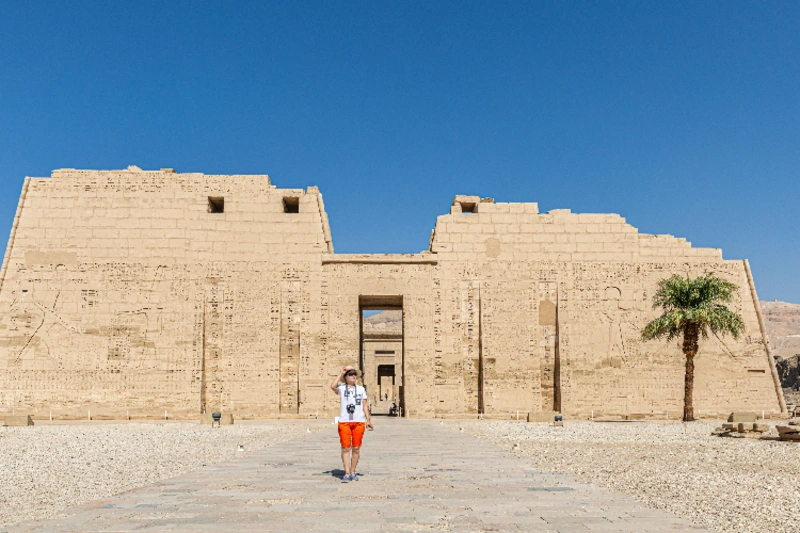
Balloon flights over Luxor's West Bank are regulated, and they only take off when the wind and weather are right. Choose a licensed operator through your cruise or travel company, listen to the pilot's safety briefing and follow the landing position you're shown. If a flight is cancelled because of the wind, that's the system working as it should.
Yes. The open tombs have walkways, lighting and handrails, and the number of visitors is managed. The air inside can be warm and close, so if you don't like tight spaces, visit the larger tombs and take your time.
Cairo is safe for visitors, and most Nile cruise trips start or end there with a night or two in the city. It's much bigger and busier than Luxor or Aswan, so the main things to prepare for are traffic, crowds and persistent vendors around the main sights.
The easiest way to enjoy Cairo is with pre-booked transfers and a licensed guide for the Pyramids of Giza and the Grand Egyptian Museum. You'll pass through security checks at hotels and museums, which is normal. In the evening, areas such as the Nile corniche and Khan El Khalili are lively and popular with visitors.
A ride-hailing app or a car booked through your hotel is the simplest option, because the price is agreed before you set off. For airport arrivals and early flights, a pre-booked transfer is best.
Both are safe, so the choice is about how you like to travel. A large cruise ship has more facilities, such as a pool, a doctor on call and a reception desk open at all hours, which many families and first-time visitors find reassuring. A dahabiya carries only a few cabins and stops at quieter places, so the crew know every guest by name.
If you have mobility needs or a medical condition, a larger ship is often more practical, as some have elevators and wider corridors. On a dahabiya, cabins are usually on one or two decks connected by stairs, and you'll board from small landing points along the riverbank.
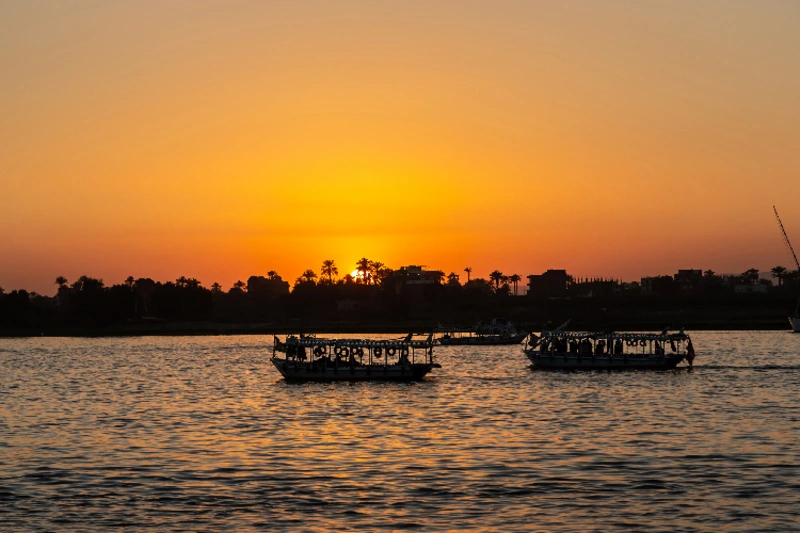
Yes. Many travelers add a few beach days in Hurghada after their cruise. The road trip from Luxor takes about four hours through the Eastern Desert, with rest stops along the way. Travel with a licensed driver arranged by your operator rather than a taxi from the street, and you'll be met at your Red Sea hotel.
Nile Cruise Vacation Expert Tip
If you're heading to the Red Sea after your cruise, ask for a morning transfer. You'll travel in daylight and arrive in time to enjoy your first afternoon by the sea.
Yes, for the most part. Cruise ships serve food prepared for international guests and provide bottled water, so most travelers have no problems. Still, a few simple habits help you feel your best.
Water: drink bottled water only, and use it to brush your teeth if you have a sensitive stomach.
Salads and fruit: eat raw salads and peeled fruit on board rather than from street stalls.
Sun and heat: temples have little shade, so wear a hat and sunscreen and drink plenty of water.
Medication: bring basic remedies for upset stomachs and any prescriptions you need.
How you look after yourself also depends on when you travel. From May to September, temperatures in Luxor and Aswan regularly pass 100°F, so sightseeing starts very early and the hottest hours are spent on board. In winter, days are mild but mornings and evenings on deck can be cool, so bring a light jacket for sunrise visits and balloon flights.
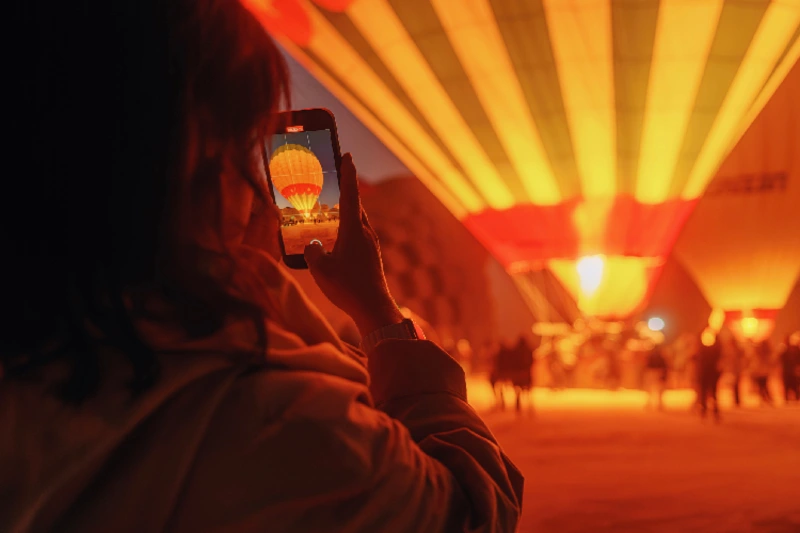
Most ships have a doctor on call who can come on board or meet you at the next stop, and Luxor and Aswan both have hospitals and pharmacies. Ask about medical support when you book, and make sure your travel insurance covers medical care.
Choose an operator that handles your flights, transfers, cruise and guides as one trip. You'll have the same team looking after you from arrival to departure, and someone to call if anything changes.
It also helps to share your plans with someone at home. Send a copy of your itinerary, including your ship's name and your hotel details, so family or friends know where you'll be each night. Keep your phone charged during excursions, and buy a local SIM or an eSIM so you can stay in touch with your guide.
Our Cairo Nile Cruise Package: The Best 7 Days in Egypt includes airport meet-and-greet, private transfers, a 3-night cruise and a licensed Egyptologist guide at every site. For more planning help, read our guide on what not to do in Egypt.
Cruise the Nile with confidence
Our Nile specialists arrange every part of your trip, from the airport to your cabin, with support on the ground in Luxor and Aswan. Explore our Nile cruises or tailor-make your trip.
Yes, for the main tourist areas, including Cairo, Luxor, Aswan and the Red Sea. Official warnings focus on remote border regions that aren't part of a typical trip. Check the latest advisory before you travel.
It's best not to. The current can be strong and the water isn't treated, so swim in your ship's pool instead. Most cruise ships have a pool on the sun deck.
Yes. Licensed dahabiyas follow the same rules and moor at approved stops along the river. With only a few cabins, they're also very personal, and the crew gets to know every guest.
Yes. A Nile cruise is a great choice if you're traveling alone, because your meals, guide and transport are all arranged. Single cabins are available on many ships.
Yes. The area around Luxor Temple and the corniche is lively and easy to explore, especially in the evening. Expect friendly offers of carriage rides and boat trips, and agree any price before you accept.
Discover the charm of Alexandria with expertly guided tours that explore the city’s rich Greco-Roman heritage, iconic landmarks, and Mediterranean beauty. From the Catacombs of Kom El Shoqafa to the grand Qaitbay Citadel, this package offers a perfect blend of history, culture, and coastal relaxation.
If you're facing any issues, our team is ready to help you directly via WhatsApp or Email.


Copyright © 2026 Nile Cruise Vacation