
Need help submitting the form?
If you're facing any issues, our team is ready to help you directly via WhatsApp or Email.
4 Days Aswan / Luxor & 5 Days Luxor / Aswan
English
On Monday 2 August 2027 the sun goes out over Luxor. Totality holds for more than six minutes, the longest anywhere on accessible land until 2114, beneath skies that carry roughly an 80% historical chance of being clear in early August. Our solar eclipse Nile cruise 2027 exists for those minutes.
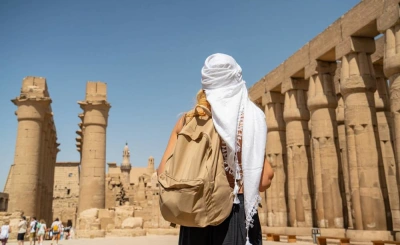
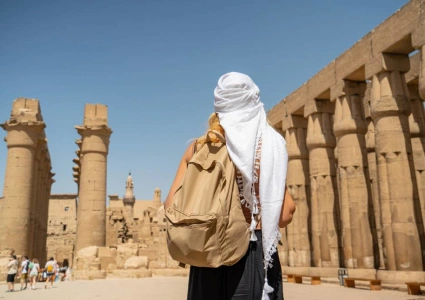
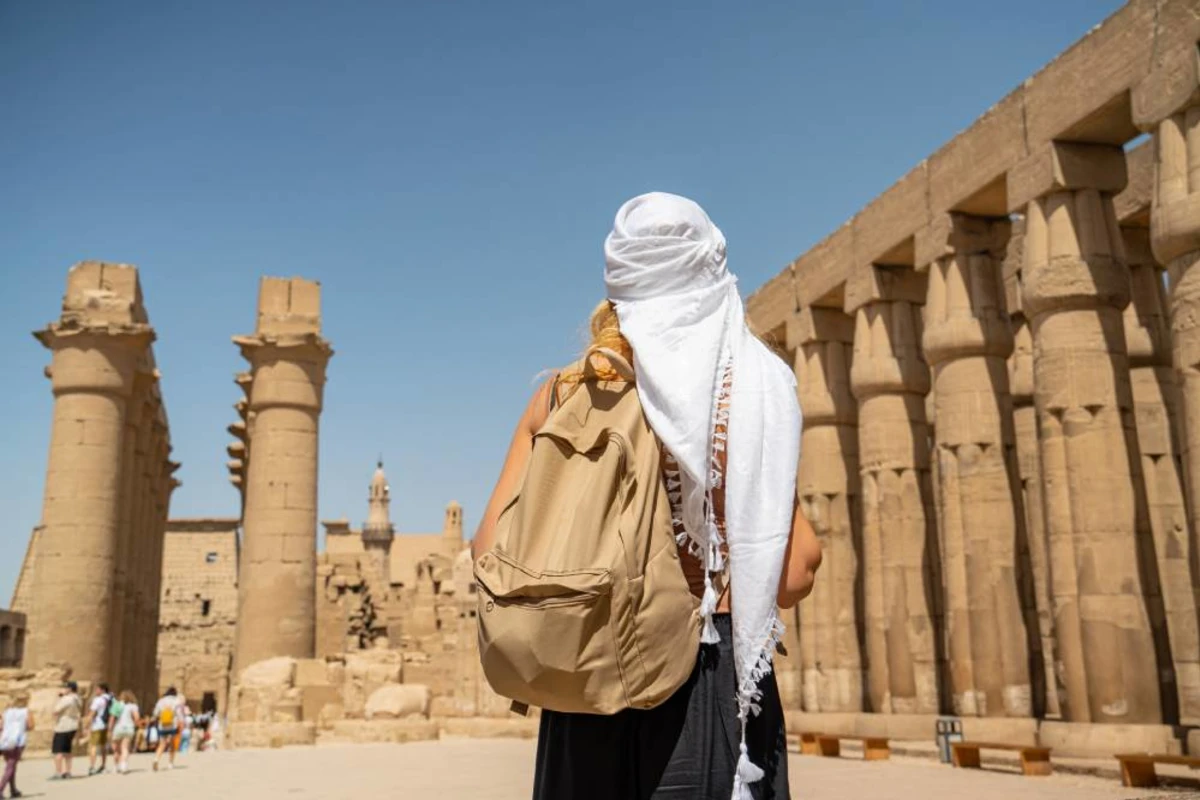
You watch them from Karnak Temple, two hundred acres raised by thirty pharaohs across 1,300 years, the largest religious complex ever built and the earthly house of Amun-Ra, the sun god himself. You will be standing in the hypostyle hall among 134 columns when the light thins, the reliefs lose their colour, the temperature drops and the corona opens overhead. Most describe the silence first. Certified solar viewers are issued to every guest and an expert English-speaking Egyptologist briefs the group beforehand and leads the temple both before and after the shadow. Two itineraries are offered for eclipse week, of four days and five days, running the Luxor and Aswan stretch of the river in opposite directions. Both put you at Karnak on the day. Both include Luxor Temple, the Valley of the Kings, the temple of Queen Hatshepsut, Philae Temple and the Unfinished Obelisk, with every entrance fee and ground transfer covered.
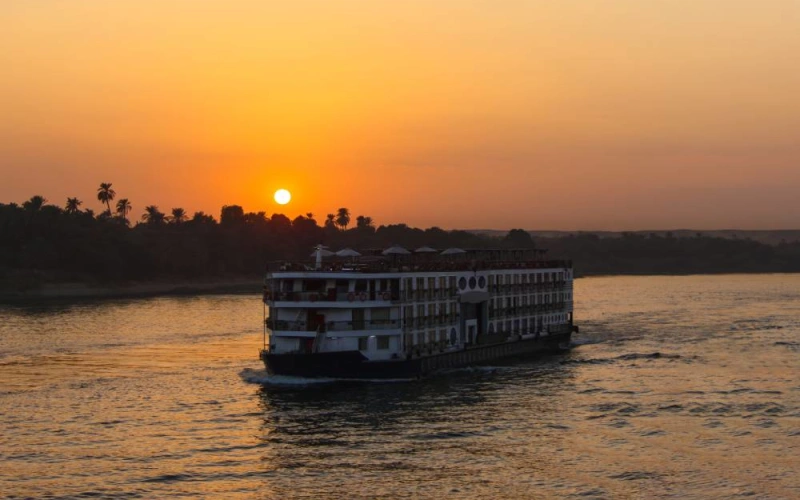
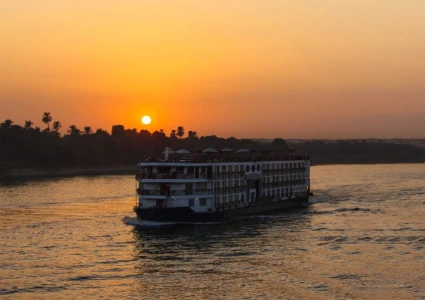
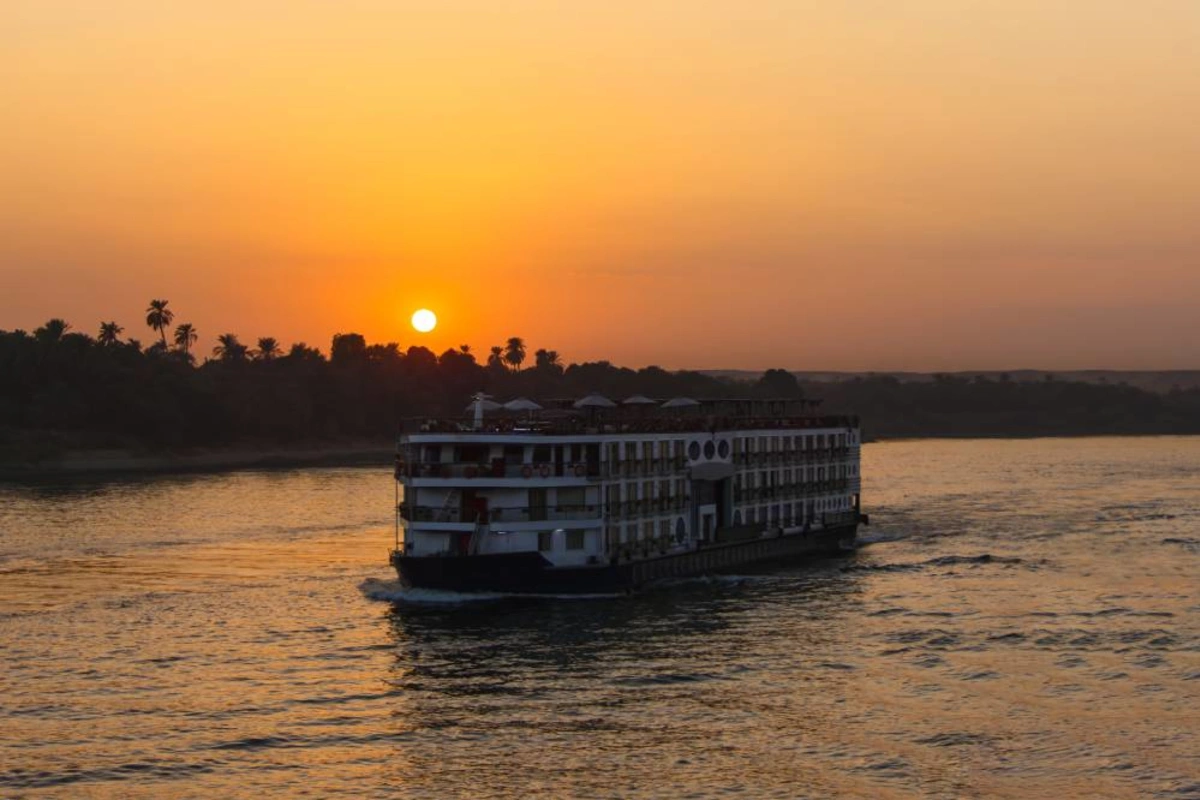
On board you have an all-suite ship with no standard cabins, full board throughout, individually controlled air conditioning, complimentary Wi-Fi, a spa with sauna and Jacuzzi, a pool deck and a shaded sundeck. Tell us which length suits your dates and we will hold a suite.
Aswan is where Egypt stops feeling like a country and starts feeling like a frontier. Granite boulders break the surface of the river, Nubian villages line the banks in painted blues and ochres, and the Sahara comes right down to the water. A Nile Cruise Vacation representative meets you at the airport or railway station and brings you straight to the ship for embarkation before lunch.
Your suite is ready after lunch, and the afternoon takes you to two of Aswan's defining sites. In the evening the boat manager hosts a welcome reception in the lounge — drinks, introductions, and the first briefing on what the next four days hold, including the one that ends in darkness.
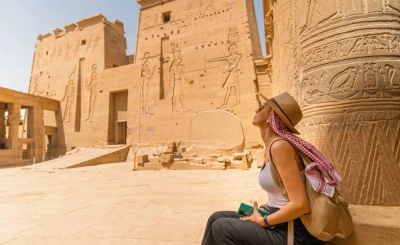
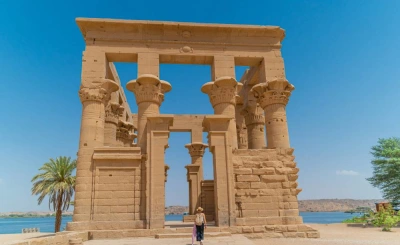
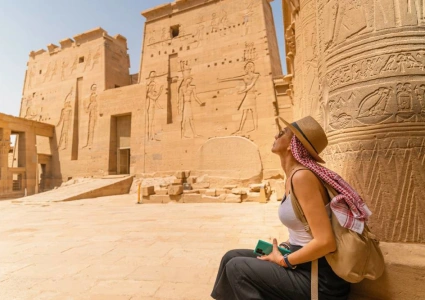
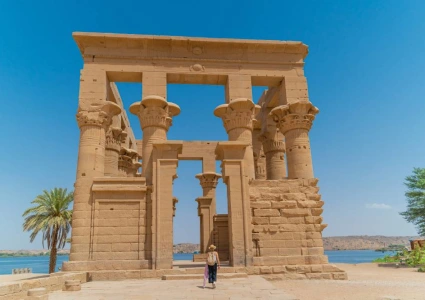
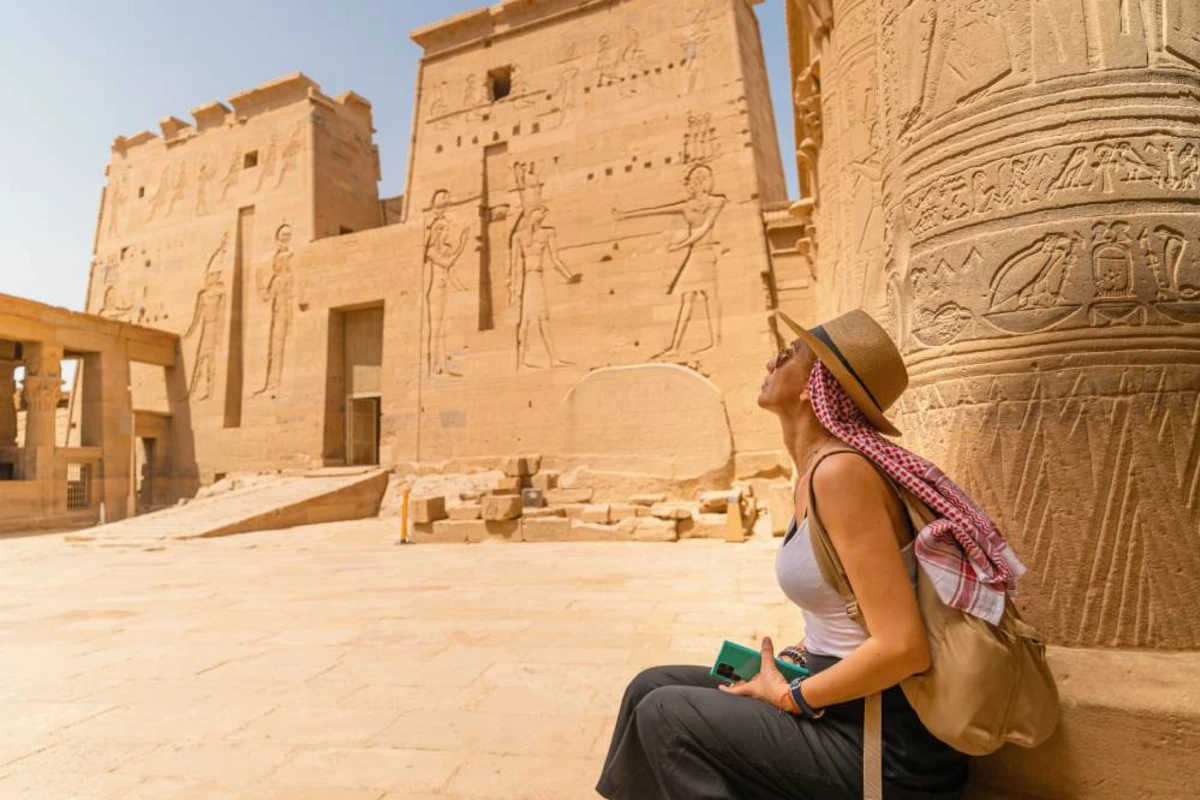
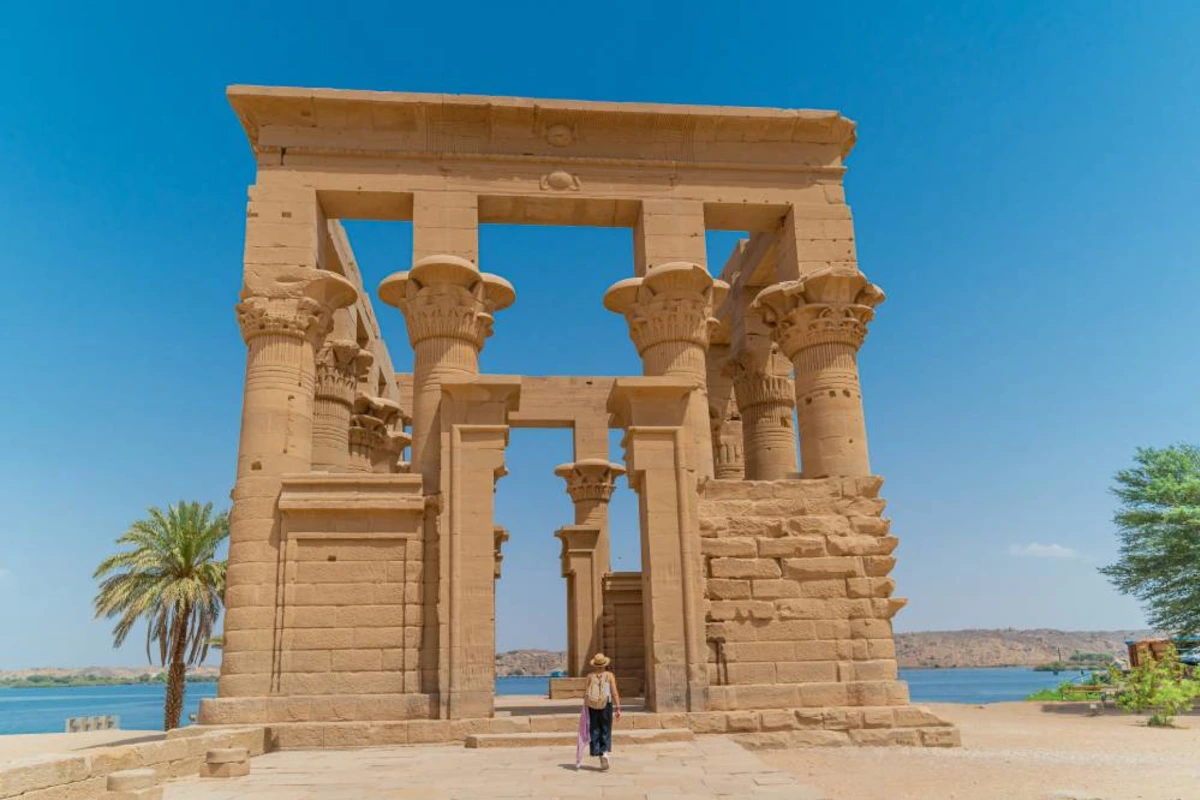
Philae sits on its own island and is reached by motorboat, so the approach does half the work — the colonnades appear out of the water before you land. What you are standing on is not where it was built. When Lake Nasser began to rise, the entire temple was cut into pieces, catalogued and reassembled on higher ground, one of the great salvage operations in archaeological history. The Unfinished Obelisk is the opposite kind of monument: 42 metres of granite still lying in the quarry where it cracked, abandoned mid-carving. It is the only place in Egypt where you can see exactly how these things were made, because the work stopped before it was hidden.
Entertainment: Cocktail reception
Breakfast, then the river takes over. The morning is unstructured and should stay that way — the sun deck, the desert cliffs, the villages sliding past, the particular quiet of a ship under way. By late afternoon you reach Kom Ombo for the strangest temple on the Nile, and the evening belongs to the Galabeya party, which is consistently the night guests talk about afterwards.
Kom Ombo was built for two gods who had to share — Sobek the crocodile and Horus the Elder — and rather than choose, the architects simply doubled everything. Two entrances, two hypostyle halls, two sanctuaries, running in perfect parallel down the length of the building. It stands right on the riverbank, and arriving at 17:30 puts the low sun directly along the columns. If you take one photograph on this cruise, it is probably this one.
Please note: scheduled timings may be adjusted for operational or environmental reasons.
The busiest day of the sailing, and the last one before the sky does something extraordinary. You start early at Esna, then sail north through the Esna Lock — a working river lock that admits one ship at a time and is far more absorbing to watch than that description suggests. The afternoon is Luxor's East Bank and two of the greatest structures the ancient world produced. The evening closes with a full Egyptian cultural show, and an eclipse briefing from your Egyptologist covering timings, safety and what to expect tomorrow.
Esna belongs to Khnum, the ram-headed god who shaped the first humans on a potter's wheel. The city grew over it for centuries, and the modern streets now sit several metres above the temple floor, so you descend into it as if into a basement of the ancient world. Karnak, later the same day, is the largest religious building ever raised anywhere: 200 acres, thirty pharaohs, 1,300 years of construction that nobody ever declared finished. It was the great house of Amun-Ra — the sun god whose disappearance tomorrow afternoon you are about to watch. Luxor Temple, floodlit by early evening, closes the day with its colossi reflected in the river a few steps away.
Please note: scheduled timings may be adjusted for operational or environmental reasons.
ECLIPSE DAY. An early start, and worth every minute of it. The West Bank first, in the cool before sunrise builds: the side of the river where the pharaohs chose to be buried, precisely because the sun died there each evening and was born again each dawn. Then you cross back to the East Bank and walk into Karnak, where the same civilisation spent 1,300 years building a house for the sun god — and at 13:02 the theology stops being metaphorical.
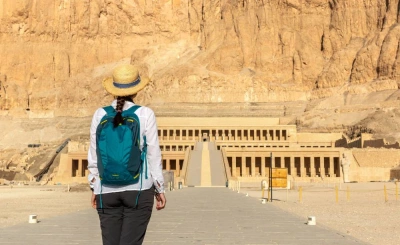
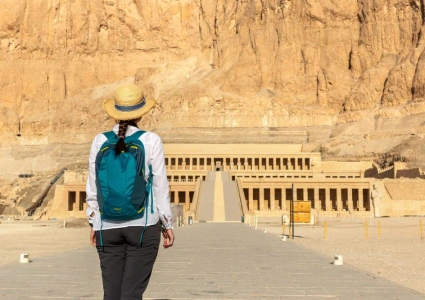
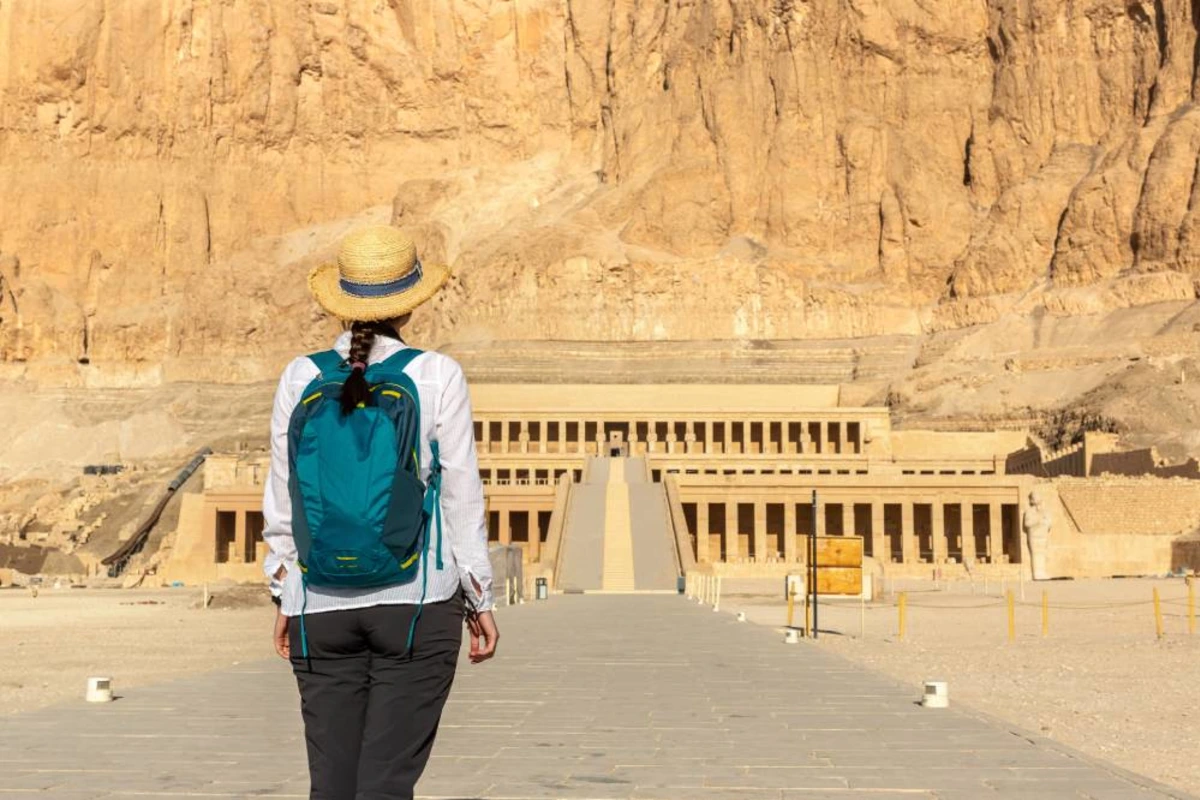
The Valley of the Kings holds more than 60 royal tombs cut into the limestone, their painted walls still carrying colour laid down over three thousand years ago. Tutankhamun's tomb, opened here in 1922 with almost everything still inside it, remains the most famous discovery archaeology has ever made. Hatshepsut's temple rises opposite in three colonnaded terraces set straight against the cliff — she ruled as pharaoh for more than twenty years and built on a scale that dared anyone to follow her, and her solar courts were designed to catch exactly the light that is about to be taken away.
Then Karnak, for the second time in two days and for an entirely different reason. You saw it yesterday as architecture: 200 acres, thirty pharaohs, the largest religious complex ever raised anywhere on earth. Today you are standing in it as what it was always meant to be — the earthly house of Amun-Ra, the sun in person, served here by priests for more than a millennium. The light thins first, in a way photographs never manage to record: shadows sharpen against the sandstone, colours drain out of the reliefs, and the temperature drops noticeably. Baily's beads scatter along the Moon's edge, the diamond ring flares once, and the corona opens overhead while stars and planets come out at one o'clock in the afternoon. Six minutes is an unusually generous amount of time to spend inside that. Most people who have seen a total eclipse describe the silence rather than the sight — and there are few places on earth where silence carries the weight it carries here, among the columns built for the god who has just gone out.
Please note: eclipse timings are confirmed with guests before departure. Access arrangements at Karnak on 2 August are subject to the Ministry of Tourism and Antiquities; scheduled timings may be adjusted for operational or environmental reasons.
Your sailing ends in Luxor — Egypt does not have to. Ask us about adding Cairo and the Pyramids of Giza before the cruise, or the Red Sea after it. We build the trip around your flights, and customize your perfect journey.
→ Just Talk to Our Egypt Travel Experts
ECLIPSE DAY. No other city on earth carries this density of temples, tombs and monuments, and today it loses the sun for six minutes. A Nile Cruise Vacation representative meets you at Luxor airport or railway station and transfers you straight to the ship for embarkation. You check in, drop your bags in your suite and take the briefing — then you are back off the ship and walking into Karnak well before the partial phase begins, which is the whole reason this sailing departs on this date and no other.
Lunch waits until afterwards. Nothing on this itinerary is allowed to compete with what happens at 13:02.
You will remember the order of it. You arrive at Karnak as a visitor to the largest religious complex ever constructed — 200 acres, thirty pharaohs, 1,300 years of building that nobody ever declared finished, raised in its entirety for Amun-Ra, the sun god. Then the light begins to thin in a way photographs never capture. Shadows sharpen against the sandstone, colours drain out of the reliefs, the temperature drops noticeably. Baily's beads break along the Moon's rim, the diamond ring flares once, and the corona opens overhead while stars and planets appear at one in the afternoon. You are standing among 134 columns in the hypostyle hall, every one of them carved in honour of a god who has just gone out, surrounded by the silence people always describe afterwards before they describe the sight.
When the sun returns your Egyptologist finishes the tour of Karnak properly, and you go back to the ship for a late lunch. Luxor Temple follows in the early evening, a short drive away, glowing gold under floodlights with its colossi mirrored in the river. Dinner and the welcome reception close a first day that most guests will be talking about for the rest of their lives, let alone the rest of the cruise.
Entertainment: Cocktail reception and boat manager presentation
Please note: eclipse timings are confirmed with guests before departure. Access arrangements at Karnak on 2 August are subject to the Ministry of Tourism and Antiquities; scheduled timings may be adjusted for operational or environmental reasons.
The West Bank this morning, while the eclipse crowds are still working out how to get home. Ancient Egyptians buried their rulers on this side deliberately: the sun set here, died here, and was reborn each dawn — a piece of doctrine that will read differently to you today than it would have yesterday. After the visits you sail south towards Esna through open desert country, with the afternoon unfolding slowly on the water.
More than 60 royal tombs are cut into these cliffs, their painted walls still holding colour from three millennia ago. Tutankhamun's, opened in 1922 with its contents almost untouched, remains archaeology's most famous find. Hatshepsut's temple climbs opposite in three colonnaded terraces set flush against the rock — she ruled as pharaoh for over twenty years, and the building is as ambitious as anything the men who followed her managed. Late in the afternoon you pass through the Esna Lock, a working river lock that takes ships one at a time; watching it from the deck is a small and unexpectedly satisfying piece of engineering theatre.
Please note: scheduled timings may be adjusted for operational or environmental reasons.
The fullest day on the water. You are moving before breakfast, sailing from Esna down to Edfu for the best-preserved temple in Egypt, then on to Kom Ombo for a late-afternoon visit before continuing south towards Aswan. The night ends with the Galabeya party in the lounge — traditional robes, music, and the point at which a boat full of strangers stops being that.
Edfu survived almost intact, buried in sand for centuries, which is why walking into it feels less like visiting a ruin than visiting a building. The pylons still stand at full height and the wall reliefs — the long mythological brawl between Horus and Set, told frame by frame — are sharp enough to follow without a guide, though you will want one. Kom Ombo that afternoon is the opposite proposition: a temple built for two gods at once, Sobek the crocodile and Horus the Elder, and mirrored down its axis so neither was slighted. The 17:00 light on those riverside columns is the best photographic hour of the whole sailing.
Entertainment: Galabeya party
Please note: scheduled timings may be adjusted for operational or environmental reasons.
Aswan runs slower than the rest of Egypt and always has. Granite islands sit mid-river, feluccas cross without hurrying, and the Nubian villages along the bank are painted in colours nobody in Cairo would dare. Today is yours to take it in, with the option of one of the great excursions on the continent. The evening brings a Nubian show in the lounge — the right ending in a city that has been the gateway south for four thousand years.
Philae is reached by motorboat, which makes the arrival feel like a small expedition — the colonnades rise out of the water before you land. The temple you walk through was moved here stone by stone when Lake Nasser rose, catalogued and rebuilt on higher ground in one of the most audacious rescues ever attempted. The Unfinished Obelisk lies a short drive away, 42 metres of granite abandoned in the quarry where it split. It would have been the largest ever raised, and because the work stopped mid-cut, it shows you the method in a way no finished monument ever will.
Abu Simbel: worth the early start if you have the appetite for it. Ramesses II's two temples were carved directly into a cliff above what is now Lake Nasser, and they too were relocated in the 1960s — sawn into more than a thousand blocks and reassembled on an artificial hill, at a scale that stops making sense the moment you are standing underneath it. The inner sanctuary was aligned so that sunlight reaches the seated gods only twice a year, which tells you something about how seriously this civilisation took the sun. Ask your Nile Cruise Vacation representative to arrange the excursion in advance.
Entertainment: Nubian show in the lounge
Last morning on the river. After breakfast and check-out your Nile Cruise Vacation representative transfers you to Aswan airport or the railway station for your onward journey. You arrived for six minutes of darkness and leave having seen most of what four thousand years left behind on this stretch of water.
Your sailing ends in Aswan — Egypt does not have to. Add Cairo and the Pyramids of Giza, or a few days on the Red Sea to decompress. Tell us your flights and we will build around them.
→ Talk to Our Egypt Travel Experts
Per Person in Double Room
$4750Per Person in a Double Room
$6250
Please Note:
The full package is customizable based on flight and hotel availability. The itinerary may be adjusted accordingly, while all sightseeing visits will remain the same. The cruise dates and schedule are fixed and cannot be changed.
Price quotes are in US dollars per person per trip.
Please inquire for pricing over Christmas, New Year’s, and Easter holidays.
We are offering a low down payment of just 25% to secure your spaces on the tour including hotel room, cruise cabin, domestic flight ticket, and other travel-related services. The remaining balance can be paid up to two days prior to your arrival date or in cash upon arrival at the destination to your tour manager, therefore, making your booking a risk-free investment. 50% down payment is required for all Luxury and Unique products at the time of booking.
Notes :
Children policy is applied to children who share rooms with their parents (maximum 1 Child sharing parent's room )
If your tour includes airfare, additional charges for your children may apply.
Tipping for a job well done is customary in Egypt, though not required. Please feel welcome but not obliged to offer a tip to your guide.
We make a donation to the Magdi Yacoub Heart Foundation for each booking reserved.
Here, at Nile Cruise Vacation, we prioritize your well-being and safety above all else, and for that reason, we have adapted our cancellation policy to reflect our values. We offer a very flexible cancellation policy in case the government or the airline issues a NOT TO TRAVEL warning to the designated destination. In the event of this happening, we will refund you the amount paid for the tour package, or in some cases, your payment will be available as future travel credit and a travel voucher that can be used towards any of the destinations we operate tours in. You have the flexibility to apply this amount towards new travel services booked. Reservations will be adjusted to reflect these travel credits automatically. Only flight cancellation/changing fees are charged, according to the airline's terms and conditions, and bank surcharge fees are applied to the deposit amount paid. Familiarize yourself with our full payment policy and cancellation and refund conditions.
If you're facing any issues, our team is ready to help you directly via WhatsApp or Email.




Copyright © 2026 Nile Cruise Vacation